Persian Dominance in Commerce and Islamization on the Malay-Indonesian Archipelago: An Analysis of Historic Loanwords

Written by Afsheen Sharifzadeh, a graduate of Tufts University focusing on Iran and the Caucasus. The present article delves into historic commercial and religious contacts between West Asia and the Malay-Indonesian Archipelago from the 9th to the 18th centuries AD. While one might anticipate a significant presence of Arabic loanwords in Malay related to maritime activities and commerce, the analysis surprisingly reveals that such loans predominantly originate from Persian rather than Arabic, pointing to a misattribution of influence. The author argues that a Persian-speaking merchant network played a central role in the Indian Ocean and South China Sea, shedding light on historical linguistic dynamics and questioning the presumed dominance of Arabic in certain domains.

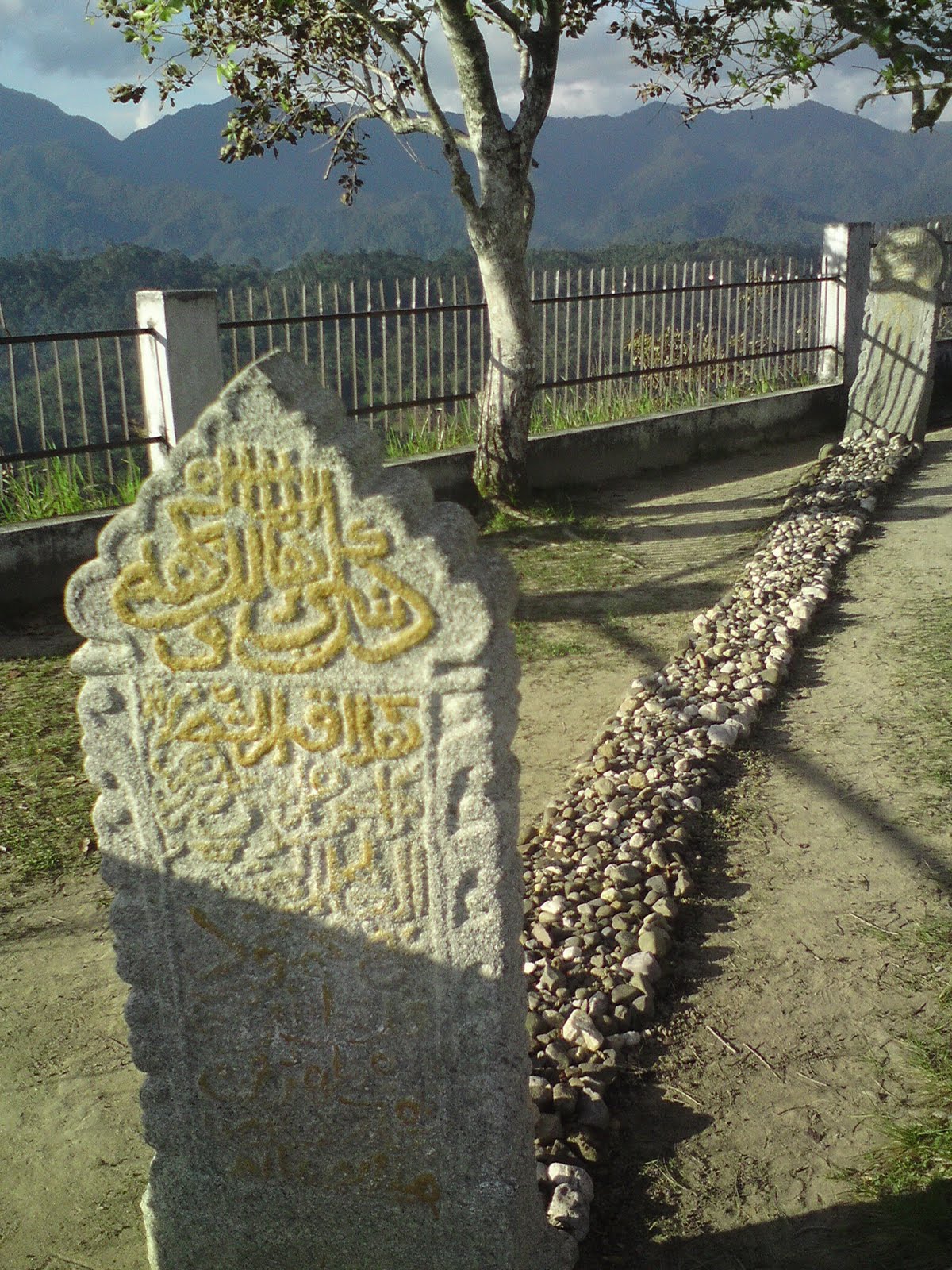
(1) Papan Tinggi cemetery complex at Barus, on the west coast of Sumatra, Indonesia (2) The gravestone of one Shaykh Maḥmūd (1426 CE). The headstone is inscribed with a couplet from the Shāhnāmah (Book of Kings) of Ferdowsī (d. c. 1020 CE) addressing the subject of mortality and the impermanence of “worldly life”: جهان یادگارست و ما رفتنى/ زمرد نماند به جز مردمى “The world is a perpetual remembrance and we all leave it in the end; people will leave nothing behind but their good deeds.”

Background
In examining commercial contacts between West Asia and the Malay-Indonesian archipelago between the 9th and 18th centuries AD, the term “Arabian” is often invoked to describe the ethnolinguistic affiliation of the foreign merchants involved in such exchanges across modern English, Malay and Indonesian language sources. We might therefore expect to encounter an array of vernacular Arabic loans in Malay (and in other indigenous Austronesian languages on Sumatra and Java, including Achehnese, Minangkabau, Javanese and Sundanese) pertaining specifically to maritime activities, commerce, and daily social exchanges. However, upon analysis, it becomes evident that loans in those domains almost exclusively originate from Persian rather than Arabic, offering a different narrative. This is in some ways unsurprising, since robust linguistic and genetic evidence have demonstrated that Persians rather than Arabs formed the dominant ‘Muslim’ component in China1, the Thai Kingdom of Ayutthaya2, and the Swahili coast of Africa3, and that use of the term ‘Arab’ is in many cases the result of a broad misattribution which has been replicated for various reasons, discussed below. The matter is further complicated by the historical currency of Persian throughout the Indian subcontinent, where it served as the official language in some regions such as Delhi and Bengal for a period of nearly 600 years and in others, at the very least, as the lingua franca, from the 13th century onwards. It appears, nonetheless, that diligent scrutiny of the available data has hardly been undertaken by numerous authors venturing to forward our understanding of the subject, and hasty reproduction of the same misconceptions surrounding ‘Arab’ involvement has, regrettably, obscured an authentic portal of contact, by now having apparently receded into oblivion among the Malay-Indonesians and Iranians themselves. Observe the following Persian loanwords in Classical Malay for important nautical terms (many now obsolete or archaic), including ‘merchant’, ‘sailor’, ‘captain’, ‘harbor master’, ‘port’, ‘warrant officer’:

Classical MalayPersianEnglish
Anjimanانجمن anjuman “association”An East Indiaman; a large transport or trading vessel belonging to the East India Company
Awarآوار āvārDamage of ship or load
Badباد bādWind
Balabad بالا باد bālā bādHigh wind, land breeze
Bamبام bām “ceiling”Crosspiece (a bar or timber connecting two knightheads or two bitts on a ship)
Bandarبندر bandarPort, harbor
Gazگز gazA Persian unit of length, ranging from 24 to 41 inches
Gusiگشا gušāmizzen sail; gaff mainsail
Jangkarلنگر langarAnchor
Kelasiخلاشى xalāši (from خلاش “rudder”)Sailor
Khojaخواجه ājaMerchant
Nakhodaناخدا nākhodāCaptain, shipmaster
Persanggaفرسنگ farsangA Persian measure of distance, equivalent to about four miles
Saudagarسوداگر sowdāgarMerchant
Serangسرهنگ sarhangThe officer (or warrant officer) in charge of sails, rigging, anchors, cables etc. and all work on deck of a sailing ship
Syabandar شاه بندر
šāh bandar
Harbormaster
Takhta rawan تخت روان
takht ravān
Plank

At the time of writing, the only Malay nautical terms of Arabic extraction known to this author are farsakh “an ancient Persian unit of distance, equivalent to about 4 miles” (doublet of persangga; from Persian فرسنگ farsang via Arabic فرسخ farsakh, also reborrowed into Persian as farsakh) and bahar “sea” (from Arabic بحر baḥr), but the route of their transmission is uncertain due to their simultaneous presence in Persian. If the primary participants in maritime trade were indeed predominantly Arab merchants hailing from the Ḥaḍramaut (a southern coastal region of the Arabian Peninsula), with Persian-speakers playing a secondary role in these exchanges, then the near complete absence of Arabic nautical loanwords in Malay poses a significant paradox. Why were nautical terms from a ‘minority’ foreign language selectively borrowed?

On the contrary, the remains of a shipwreck in Phanom Surin, Samut Sakhon province, Thailand dating to before the advent of Islam with an inscription of the presumed shipowner Yazd-bōzēd in Middle Persian, as well as a garnet set in gold finger ring found in Palembang, Sumatra (7th-9th century?) engraved in an elegant Pahlavi script with the Middle Persian word āfrīn, “blessing”, suggests Persians had maintained the maritime routes to China where sizable Zoroastrian, Manichaean, Christian and Jewish Iranian communities are known to have existed for centuries prior to Islam. Further Perso-Arabic, Pahlavi and Judeo-Persian inscriptions belonging to a 9th century Persian-speaking merchant community operating under state privileges on the Malabar Coast of southwest India in the same time frame as the shipwrecked Phanom Surin vessel confirms the wider network in which these objects’ discoveries must be seen. Later in the 15th century, according to the historian Ismail Marcinkowski, “…Persian was the lingua franca in the Indian Ocean trading world and a Persian-speaking merchant community was present in Malacca. The office with the Persian title of Šāhbandar (شاه بندر “harbor master”), known in many of the Indian Ocean trade ports as well as in several parts of the Ottoman Empire, was also established in Malacca.”4 This confirms and advances the existence of a longstanding Persianate commercial network in the Indian Ocean and South China Sea centered around a Persian-speaking merchant oligarchy, which in medieval times included Persian-speaking Gujaratis and Bengalis, as well as Hadhrami Arabs.

This is further corroborated by multiple foreign travelers’ attestations to the highly influential and thriving resident colonies of Persian-speaking merchants in Zaiton (泉州 Quánzhōu) in the 14th century and in Siam’s capital of Ayutthaya in the 16th century. Notably, the descendants of some of the original Persian traders in Ayutthaya (known since the 15th century by a Persian epithet Scierno, from Šahr-e nāv “City of Boats and Canals” among Western mariners and travelers around the rim of the Indian Ocean), members of the aristocratic Thai-Persian Bunnag, Siphen and Singhseni families, continued to be in positions close to the Thai throne into the 20th century. The rich and flavorful massaman curry (แกงมัสมั่น kǣng mát-sà-màn), a corruption of a Persian word mosalmān مسلمان “Muslim”, is attributed to the 17th century Persian community in Ayutthaya through Sheikh Ahmad of Qom (ca. 1543–1631), the patriarch of the Bunnag family.
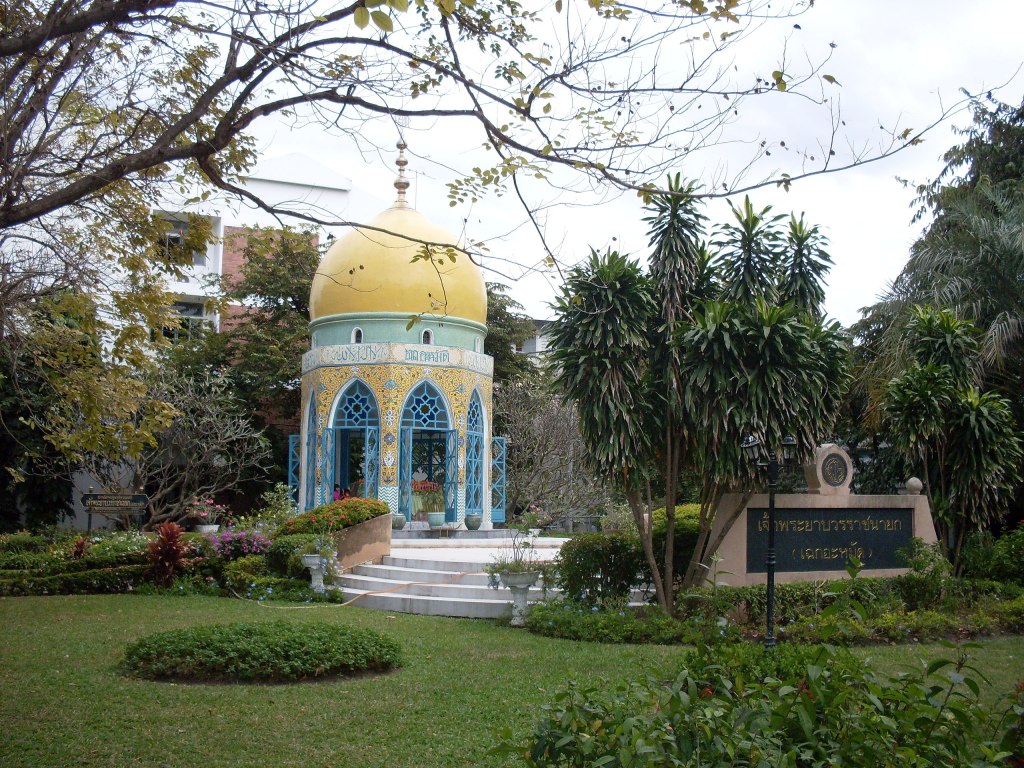
(1) Tomb of the Persian-born merchant Sheikh Ahmad of Qom (ca. 1543–1631), in Ayutthaya, Thailand. He became a powerful official in the Siamese court, where he was given the title of Châophráya Boworn Râtcháyók (Thai: เจ้าพระยาบวรราชนายก). He was the ancestor of the powerful Thai-Persian Bunnag family (2) Massaman curry paste (มัสมั่น mát-sà-màn, from Persian mosalmān مسلمان “Muslim”), created by the prosperous 17th century Persian community of Ayutthaya, consists of cinnamon, nutmeg, cumin, star anise, clove, cardamom, mace (all brought by traders, including Persians, from the Malay-Indonesian archipelago to Siam) and the decidedly un-Thai flourish of raisins and bay leaves (from Iranian cuisine) combined with ingredients more commonly used in Thai cuisine such as coriander, lemongrass, galangal, white pepper, shrimp paste, shallots, and garlic. This dish, along with others inspired by Persian dishes, is among the recipes in the funeral cookbooks of the Bunnag family5

Analysis of Persian loanwords in Malay related to the goods these merchants would have brought illuminates the story further:

Classical MalayPersianEnglish
Almasالماس almāsDiamond
Andamاندام andāmArrangement 
Anggurانگور angūrGrapes, wine (Thai: องุ่น à-ngùn)
Anjir انجير anjirFig
Badamبادام bādāmAlmond
Bajuبازو bāzū “arm”Shirt
Baksisبخشش baxšišWage, reward
Balurبلور bolūrCrystal
Biusبيهوش bi-hūšAnesthetic
Bozahبوزه būzeFermented drink made from wheat or millet
Cadarچادر čādar “tent, veil”Bed cover or tablecloth
Destarدستار dastārHeaddress
Gandumگندم gandomWheat
Gulگل golRose
Kaftanخفتان xaftānA long Persian tunic
Kahrabكهربا kahrobāAmber 
Kasaكاسه kāseBowl
Kelebutكالبد kālbodShoemaker’s last
Kismis كشمش kišmišRaisin 
Kojaكوزه kūzaBottlenecked earthenware
Kurmaخرما xormāDate
Lajakلچک lačakWoven fabric from yarn or silk
Mohorمهر mohrStamp, seal
Percaپارچه pārčaCloth from remainder fabric
Pialaپياله piālaCup, chalice
Picisپشيز pešiz “small”Penny (archaic), of small worth
Pingganپنگان pengān “bowl”Dish, plate
Piringپرنگ parang “copper”Plate
Pirusفيروز firuzTurquoise
Sadirنشادر nošâdorAmmonium chloride
Sakarشكر šakarSugar
Syalشال šālShawl
Tembakauتمباكو tambākuTobacco
Tenggahتنگه tangaA piece of gold or silver
Lazuardi لاجوردى lājevardiLapis lazuli
Zamrudزمرد zomorrodEmerald

On Arabic Loans in Malay-Indonesian
It is important to note that words with Arabic etymologies exist in high quantities in Malay (and by extension, Indonesian), far exceeding the number of ‘pure’ Persian loans. This is unsurprising since Classical Arabic—the mastery of which is required for proper interpretation of the Quran and Hadith—would have been known across generations of Muslim clergy even in the absence of a significant community of Arabs. Accordingly, the majority of Arabic terms in Malay-Indonesian are either demonstrably (1) learned borrowings of more recent literary provenance, based on their semantic domains and unadapted phonology, rather than the result of regular language contact with a vernacular Arabic variety or (2) adopted through the medium of Persian. The number of Malay words borrowed directly from Arabic in the opinion of this author has been, therefore, considerably overestimated. This extensive misclassification has lent false credence to the idea of a historically robust Arab–Malay relationship to the exclusion of Persians, who, according to all available evidence, probably formed the numerically predominant and culturally hegemonic ‘Muslim’ community in Southeast Asia in medieval times. Furthermore, the tombs of multiple venerated Persian shaykhs in Sumatra, such as that of one Shaykh Maḥmūd from Barus, dating to 1426 CE and inscribed, interestingly, with a couplet from the Shāhnāmah (Book of Kings) of Ferdowsī (d. c. 1020 CE), indicate that Persian Muslims served as a vector of Islamization and thus transmission of Arabic to the region.

Towards understanding the words in group (2) above, given the presence of manifestly Persian phonologic and semantic mutations to numerous Arabic terms in Malay, these lexical items must have been adopted through the medium of Persian rather than directly from Arabic. For example, feminine nouns with the final ta marbuta ة are often, but not always, transformed to ta ت in Persian, and this feature is present in numerous Malay words (e.g. Malay selamat “wellbeing” from Arabic سلامة salāma via Persian سلامت salāmat; hakikat “truth” from Arabic حقيقة aqiqa via Persian حقيقت haqiqat). Calques from Persian are also present which have been misattributed to Arabic influence. For example, Indonesian apa khabar? “How are you?” (lit. “what news”?) is in all probability a calque of Persian چه خبر če xabar? If this phrase had been calqued from a vernacular Arabic variety from the Arabian Peninsula, it would have been expected to yield a form like *apa akhbar mu, with the plural noun akhbar and the Malay second person possessive enclitic -mu (cf. Yemeni Arabic شو اخبارك šu axbārek). Moreover, Arabic-derived terms in Persian that were never actually used in living Arabic must have been borrowed into Malay via Persian. For instance, Malay tamadun “civilization” originates from the Arabic verbal noun تَمَدُّن tamaddun “to become urbanized”, but must have been adopted through Persian تمدن tamaddon “civilization”, since living Arabic instead uses حضارة ḥaḍāra “civilization”, a term unknown in Persian and, by extension, Malay.

The arrival of the British and Dutch East India companies in the 18th century heralded the end of Persianate commerce and the gradual disappearance of Persian-speakers from the Malay-Indonesian Archipelago. The subsequent introduction of steamships by the Europeans instead facilitated Malay-Indonesian contacts with sacred places and study centers on the Arabian Peninsula and in Egypt, wherefrom returning pilgrims began to spread puritanical ideas, particularly Wahhabism. Thus by the 19th century, the Malay-Indonesian world had decidedly turned its gaze toward Arabia rather than Persia, which was increasingly associated with heresy and deviant thought, especially with Shi’ism, Sufism and an abundance of Zoroastrian customs all flourishing on its soil. This, in turn, gave way to leveling of many Persian words in favor of their Arabic equivalents, as Arabic continued to be actively studied and mastered as the holy language of Islam. Words such as aftab “sun”, which were previously known in Malay, were survived only by their Arabic synonyms (Malay syamsu from Arabic شمس šams). In some cases, under prescriptive influences, Persianized Arabic words with meanings unique to Persian were supplanted by their original Arabic meanings. For example, Classical Malay logat which has the Persianized –at ending and historically held the Persian meaning of “word; dictionary” has now shifted towards the original Arabic meaning of “vernacular”, but retains its Persian phonology. In other cases however, such as sejarah “pedigree; history”, the Persian meaning was retained.

MalayPersianArabicEnglish
umatommatumma[Muslim] community
berkatbarekatbarakaBlessing
tamaduntamaddonḥaḍāraCivilization
sejarahšajare “family tree”šajara “tree”Family tree, history
akhlakakhlāq “character, nature”akhlāq “morals, ethics”Character, nature
logatloghat “word”lugha “idiom”1. Word; dictionary (archaic)
2. Vernacular, idiom

Commercial and Cultural Loanwords from Persian
Nevertheless, Persian loanwords with frequent occurrence in informal speech paint scenes of significant social interaction between Persians and the indigenous populations of the Malay Peninsula, Borneo, Sumatra, and Java. This includes both positive instances of intermarriage and occasions of disagreement or conflict. Note multiple words have undergone significant reshaping, in contrast to Arabic loans, indicating their adoption through normal language contact and transformation through high frequency use. More interesting is the conspicuous absence of Arabic loans in the informal register, including colloquialisms and explicit terms (compare Malay bedebah “damned; fuck it!” from Persian بدبخت badbakht; biadab “rude” from Persian بى ادب biadab; haram jadah from حرام‌زاده harāmzādah “bastard”; syabas from شاباش šābāš “well done!”; etc.), which further casts doubt upon the notion that Arabic was ever used for interethnic communication:

Classical MalayPersianEnglish
Acarآچار āčārPickle, marinade
Adatعادت ādatTradition, custom
Badi بدى badi Bad influence (obsolete)
Bahariبهارى bahāri “vernal”Beautiful (obsolete)
Bakhبخش baxšFortunate, happy (archaic)
Bedebah!بدبخت badbakhtDamned, infernal; (offensive, vulgar) fuck it! 
Betahبهتر behtarComfortable; recovered
Biadabبى ادب bi-adabRude, impolite
Bustanبستان bōstān Garden, orchard
Calakچالاک čālākGood, outstanding; talkative 
Derjiدرزى darziTailor
Dayahدايه dāyaFoster mother 
Dewala ديوال divāl “wall”Wall of a city
Dewanaديوانه devānaMadly in love
Geman, Gamangگمان gomān Afraid, frightened
Geramگرم garmIndignant; angry, infuriated
Gustiكشتى kuštiWrestling
Haram jadahحرام‌زاده harāmzādahBastard
Honarهنر honar “craft, ability”Mischief, commotion
Iniاين inThis
Kanduri خندورى khanduriFeast, ceremonial meal
Kawinكابين kābinTo get married; to have sex
Keskulكشكول kaškūlBeggar’s bowl
Kofteكوفته kōfta، from
كوفتن kōftan “to grind”
Various spicy meatball or meatloaf dishes
Nisanنشان nešānTombstone
Panjaپنجه panjeHand
Pasarبازار bāzārMarket
Pesonaافسون afsun “spell, incantation”Enthralling, dazzling
Pirangفرنگ farang “European”Blond; of a golden brown color (Thai: ฝรั่ง fá-ràng “foreigner”)
Sanubariصنوبرى ṣanobari “pine-like; the slender and graceful beloved”Heart, heartstrings
Serbat شربت‎ šarbatA drink prepared from fruits, flower petals
Siumanهوشمند hūšmand “intelligent, wise”Conscious, mentally healthy
Syabasشاباش šābāšBravo, well done!
Tamanچمن čaman “lawn, orchard”Park
Tamasya تماشا tamāšā “look, watch a spectacle”Festival; the act of going out and looking at things

Garnet set in a gold finger ring, engraved in Pahlavi script with the Middle Persian word āfrīn, “blessing”. Reportedly found in Palembang, Sumatra (the location of the historic entrepot of Srivijaya), 7th to 9th century. Private collection, Hong Kong

The Islamized Austronesians incorporated Persianate court styles and military culture into their societies, although most of these terms are today either archaic or have been rendered obsolete:

Classical MalayPersianEnglish
Bahadurبهادر bahādurHero
Cambukچابک čābok “horsewhip”Whip
Dewanديوان dēwānCourt, council
Firmanفرمان farmāncommandment
Getaكت katDais, throne
Jinزين zinSaddle
Johanجهان jahānWorld; hero
Khanjarخنجر khanjarDagger (Thai: กั้นหยั่น gân-yàn)
Kianiكيانى kiāniThrone
Kulahكلاه kulāhA kind of helmet, headgear
Laskarلشكر laškarArmy, soldier
Pahlawanپهلوان pahlavānHero, brave warrior
Siasatسياست siāsatTactic, politic
Syah Alam شاه عالم
šāh-e ‘ālam “King of the world”
Title of the sultan of Selangor
Tajukتاجک tājakCrown 
Takhtaتخت takhtThrone
Tarkasترکش‎ tarkašQuiver
Zirahزره zirihArmor

The Classical Malay literary tradition as well as Islamic scholarship were marked by widespread Persian cultural influences, much like on the nearby Indian subcontinent. The enigmatic Malay Sufi poet, Ḥamza Fanṣuri (of Fanṣur, modern Barus), who flourished under the reigning Sultan ʿAlāʾ al-Din Reʿāyat Šāh (r. 1588-1604), had a thorough knowledge of Arabic and Persian. In some of his works, he quotes from the masters of classical Persian mysticism such as Šabestari, either in Persian, or in Malay translation. Notable representation of the advice genre, or naṣiḥat, also bear clear parallels to classical Persian literature. An exemplary illustration of this link is the Tāj al-Salāṭin composed by Boḵāri al-Jawhari (perhaps a native of Johor in southern Malaya?) during the 17th century. This work, translated into Malay from an unidentified Persian source in the Acheh Sultanate of Sumatra, not only showcases thematic similarities with earlier Persian compositions like Neẓām al-Molk’s Siāsat-nāma, but also incorporates Persian expressions, such as nowruz, to denote the commencement of a new year. Another work is Bustān al-Salāṭin, also composed in Acheh around the mid-17th century, by Nur-al-Din Rāniri, who was born in India and was deeply immersed in the Persian scholarly tradition. The meticulous adherence to Persian models suggests these Malay works as faithful translations. Both compositions explore the theme of the “Just King” as epitomized by Anoshervan, the archetypal ruler of Sasanian Iran.

Thus, while Arabic enjoys special status for all Muslims including Persians, much like Ecclesiastical Latin for Catholics, review of historic loanwords in Malay reveals that the majority of borrowings pertaining to nautical, commercial, military and royal domains come from Persian rather than Arabic. Persian influence is further evident in Malay literature and Sufism, which manifest concepts and styles from Persian antecedents. Arabic words form the lion’s share of borrowings in the domain of religion and aspects of daily life influenced by Islamic teachings, which is expected and does not theoretically require the presence of an Arabic-speaking community. Persian was the vector of transmission for many Arabic words into Malay, which is revealed by the presence of idiosyncratic Persian phonological and semantic mutations to those Arabic words. More interesting is the absence of ‘pure’ Arabic loans in certain domains, particularly in informal speech including colloquial and explicit terms (compare Malay bedebah “damned; fuck it!” from Persian بدبخت badbakht; biadab “rude” from Persian بى ادب biadab; betah “comfortable; feeling better” from Persian بهتر behtar “better”; haram jadah from حرام‌زاده harāmzādah “bastard”; lahanat “damn!” from Persian لعنت la’nat “curse, damn”; syabas from شاباش šābāš “well done!”; etc.), which raises doubt whether Arabic was ever used as a language of communication. Nonetheless, the persistence of few but important Persian words alongside Arabic equivalents in the religious sphere bolsters the historic importance of Persianate Islamic culture on the Malay-Indonesian Archipelago:

MalayPersianEnglish
Abdasآبدست ābdastAblution (wudu’); compare Hui Chinese 阿布代斯 ā-bù-dài-sī, also from Persian
Bangبانگ
bāng
Islamic call to prayer (adhan); compare Hui Chinese 邦克 bāng-kè, also from Persian
Dargahدرگاه dargāhShrine associated with a Muslim saint
Darwisدرویش‎ darvišAn indigent, ascetic person; a Sufi
Langgarلنگر langarA small mosque
Periپرى
pari
Fairy

On “Parskahayeren”, or the Language of Iranian Armenians

Written by Afsheen Sharifzadeh, a graduate of Tufts University focusing on Iran and the Caucasus. Part of this narrative stems from the author’s visits to Armenia and the Tehrani Armenian community between 2014-5. The goal of this article is to familiarize the reader with the Christian Armenian community of the Islamic Republic of Iran, with a focus on its culture and language in a historical and modern setting.

56610_154983217881347_7892037_o
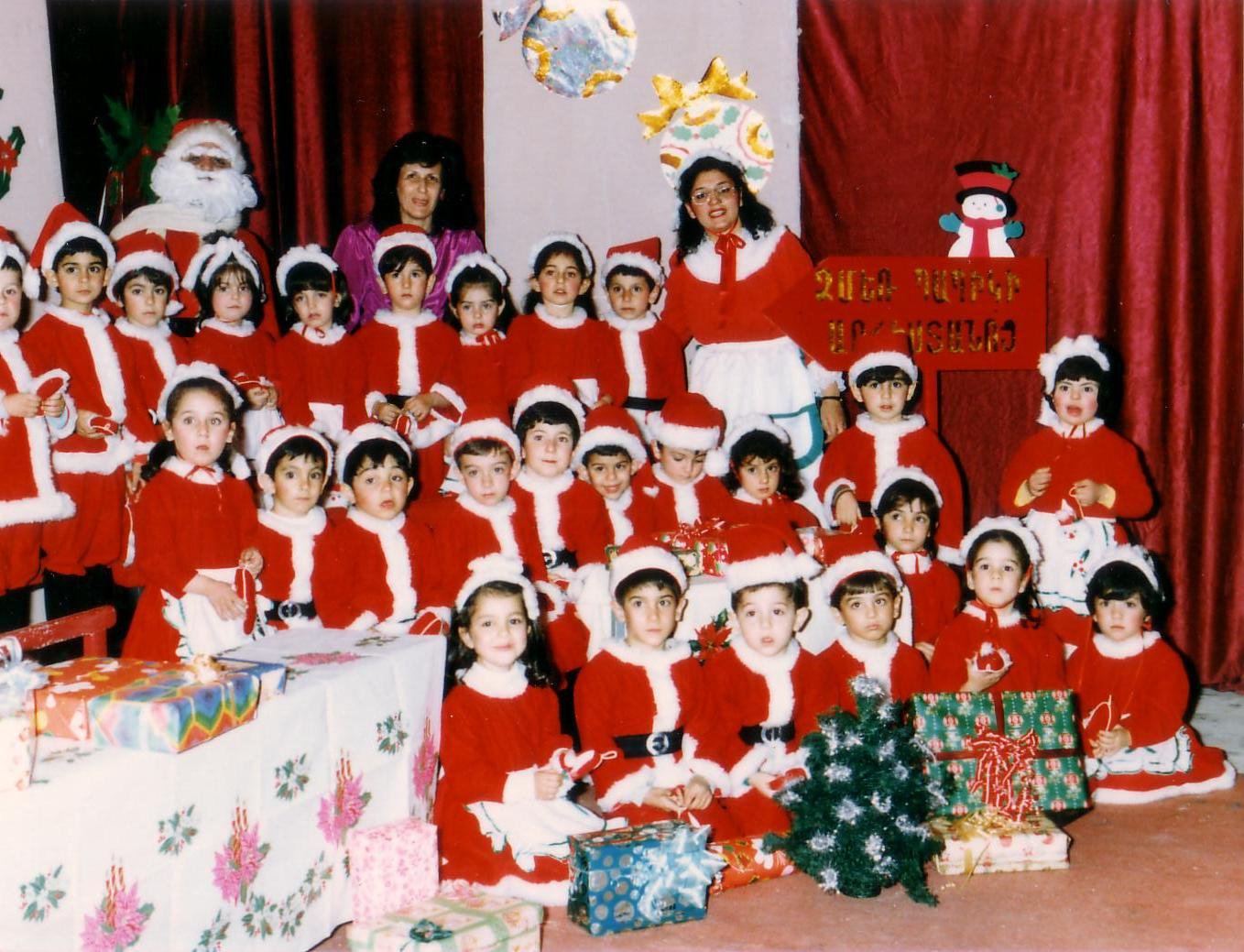
Christmas festivities in an Armenian kindergarten, Isfahan, Iran (1989) | Ձմեռ Պապ, Մանկապարտեզի հանդես, Նոր Ջուղա (1989)

INTRODUCTION

Armenian (self-designated Հայերեն Hayeren) is an eccentric, satem member of Indo-European and occupies its own clade within that family. Of note, it does not belong to Indo-Iranian or Balto-Slavic. Without any immediate sisters, Armenian is joined by Greek and Albanian as an extant isolate within the Indo-European family.

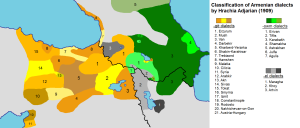
Modern Armenian constitutes a pluricentric language with two standardized forms. The main typological split is between Eastern Armenian (Արևելահայերեն Arevelahayeren)derived from the language of the 18th century Russified Armenian intelligentsia (Հայ մտավորականություն Hay mtavorakanut’yun) centered in Tiflis—and Western Armenian (Արևմտահայերեն Arevmtahayeren), the contemporaneous language of the Ottoman Armenian elite centered in Constantinople. These two standardized forms represent poles in a spectrum comprised of various intergrading dialects that once spanned a putative homeland from Sivas to Baku, disregarding the historical Armenian diaspora (Սփյուռք Sp’yurrk’) which at its height reached as far as London and Java. Until the 19th century, Armenian constituted a diglossia whereby literature was composed in the archaic, otherwise unintelligible Classical Armenian language (Գրաբար Grabar)—now limited to liturgy—while the spoken vernaculars (Աշխարհաբար Ashkharhabar) belonged to the Eastern and Western varieties detailed above. The two spoken varieties are only moderately mutually intelligible without training.

Armenian_dialects,_Adjarian_1909
Distribution of Western (orange hue) and Eastern (green hue) Armenian varieties, prior to the Armenian Genocide of 1915. Today Eastern Armenian is the official language of post-Soviet Armenia (green, #1); Western Armenian holds no official status and is classified as a “definitely endangered language.”

The Armenian varieties encountered in Iran belong to the Eastern subgroup, as do the dialects of Georgia, Nagorno-Karabagh, and Russia. However Parskahayeren is unique within the Eastern group in that it rejected the reformed Abeghian orthographical conventions of Soviet Armenia in 1922, and is thus confederate with its distant Western Armenian cousin in retention of the ancient Mashtotsian orthography originally used to write Classical Armenian (Grabar). Following the Armenian Genocide of 1915, the Western subgroup is now centered in Syria, Iraq, Lebanon, Israel, Egypt, and abroad, but was once native to the highlands dotting modern-day Turkey.

English Mashtotsian Orthography (Iran) Abeghian Orthography (Armenia, Russia, Georgia, since 1922) Eastern Armenian Pronunciation (Iran & former U.S.S.R.)
“Resurrection” յարութիւն
yarowt’iwn
հարություն
harout’youn
harut’yun
“Hope” յոյս
yoys
հույս
houys
huys
Europe” Եւրոպայ
Ewropay
Եվրոպա
‘Evropa
Yevropa
In the morning” առաւօտեան
arrawōtean
առավոտյան
arravotyan
arravotyan

In 1749-1769 the two volumes of the Barrgirk‘ Haykazian Lezvi, a dictionary of the Armenian language, were published by Mkhit’ar Sebastats’i and his Armenian Catholic congregation in Venice, Italy—making Armenian the sixth world language to have such a complete dictionary (after Latin, Greek, French, Italian, and Spanish; the first English dictionary appeared in 1755.)

Armenians refer to themselves as Հայ Hay, and to Iran as Պարսկաստան Parskastan “Persia”, from Պարսիկ Parsik “a Persian”, and hence the root of the terms Պարսկական Parskakan “Persian (non-human adjective)”, Պարսկահայություն Parskahayut’yun “Iranian Armenian community”, Պարսկերեն Parskeren “Persian language”, and Պարսկահայերեն Parskahayeren “Language of the Iranian Armenians”.

Stefan-1
AcloseviewofSt.StephanosMonasteryՍուրբՍտեփանոսվանքJolfaIran
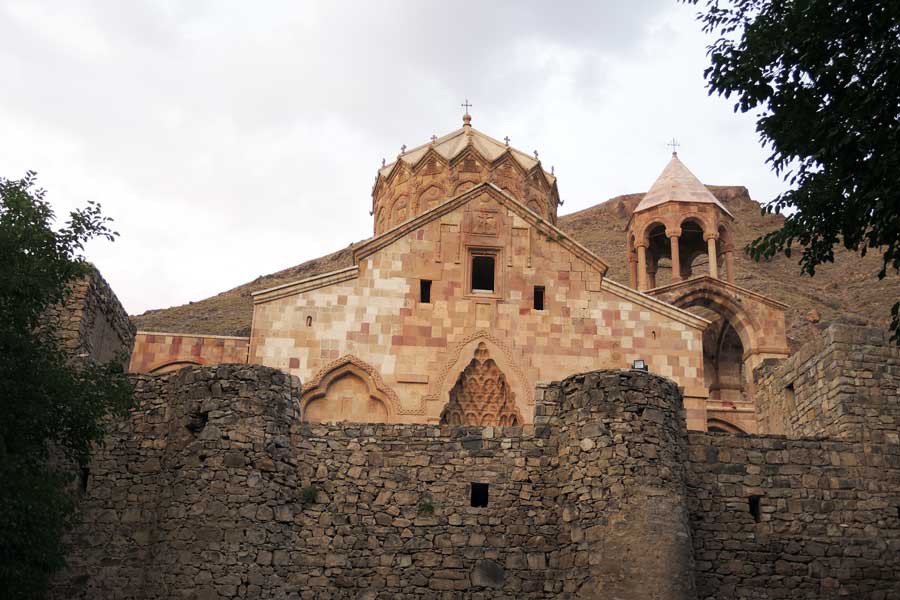
Monastery of St. Stephen the Protomartyr (Սուրբ Ստեփանոս վանք, Մաղարդավանք Surb Step’anos vank’, Maghardavank’; كليساى استفانوس مقدس Kelisā-ye Estefānūs-e Moghaddas) East Azerbaijan province, Iran (1330 A.D.)

ARMENIAN HISTORY IN IRAN

The link between Armenia and Persia is about as old as the foundation of the Persian Empire in the 6th century B.C., but the modern Armenian-Iranian nucleus has its genesis in the late medieval period. It should be noted that no pre-genocide Armenian colony (Գաղութ Gaghut’) has enjoyed the extent of affluence, relevance, and repute in its host society as the Armenian diaspora of Persia. Iran has served as a stage for momentous developments in Armenian matters, in certain contexts even eclipsing the territories considered to be at the core of Historical Armenia (Մեծ Հայք Medz Hayk’) in power and consequence.

petrosvlBid1
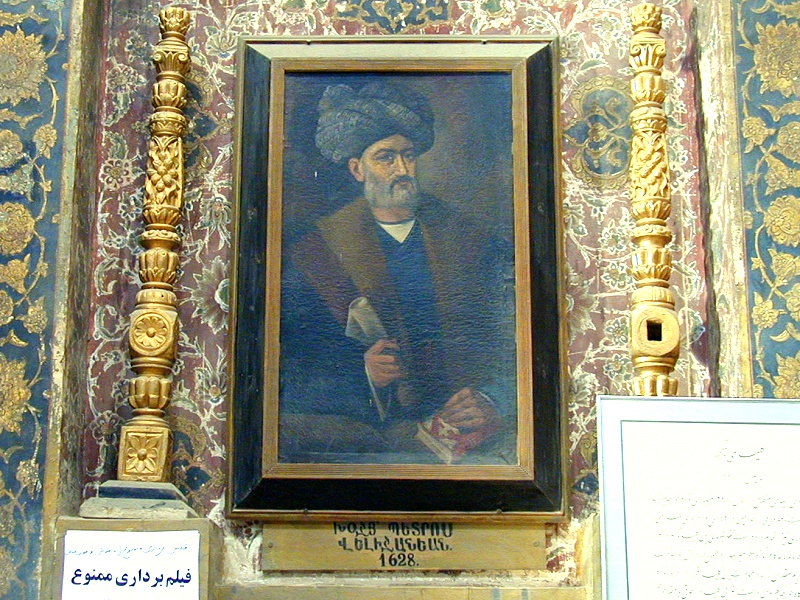
Khoja Petros Velijaniants’ (left) financed the St. Bethlehem Church (Սուրբ Բետղեմ Surb Betghem; كليساى بيت اللحم Kelisā-ye Bayt ol-Lahm) in Isfahan, Iran in 1628. His family opposed the rule of the Shafraz family in New Julfa, but they lost and left for Surat, India in 1638. 

In a strategic move against the Ottomans that was meant to evacuate Nakhchivan, in 1604-5 Shah ʿAbbās I transplanted over 60,000 Armenian families (Բռնագաղթ Brrnagaght’), many of whom perished during a difficult winter in Tabriz, into the inner regions of Iran. But the Shah had a unique vision for a cohort of exceptionally skilled businessmen from the prosperous Armenian town of Julfa (Ջուղա Jugha; جلفا Jolfā) on the river Araks. Indeed among his most rewarding schemes in statecraft was the establishment of a world-class commercial district headed by a semi-autonomous Armenian merchant oligarchy of Julfan extraction in his new capital city, Isfahan, wherefrom Iranian silk was traded for European silver. In this exclusive, custom-built trading colony named New Julfa, the Armenians lived in symbiosis with the Safavid state insofar as they were sanctioned by royal decree (فرمان farmān) to preserve their distinct cultural, linguistic and religious identity (Հայկականություն Haykakanut’yun “Armenianness”), while melding harmoniously with the sovereign Persislamic socio-political infrastructure.

Under the patronage of Shah ʿAbbās I and his successors, who appreciated the Armenians’ talents and expertise, New Julfa soon transformed into a thriving center of craftsmanship and international trade replete with 24 churches. Contemporary French traveler Jean Chardin wrote that, in 1673– just two generations after the Julfan Armenians’ exodus from the Caucasus to Iran– Agha Piri, the head of the Armenian Community of Isfahan and one of its richest merchants, owned a fortune greater than 2,000,000 livres tournois (the equivalent of 1,500 kg of gold). Contrast with the textile merchants Beauvais and Amiens (the wealthiest merchants in France in the same period), the wealth of these two inventoried at their deaths amounted to 60,000 and 163,000 livres tournois respectively—a figure then considered astronomical. Yet these two figures combined amounted to barely a tenth of Agha Piri’s fortune.

For more on the history of New Julfan Armenians by the same author, click here (Part I) and here (Part II)

Armenian Orthodox Church ceiling
Vank-Cathedral-courtyard-by-Thomas
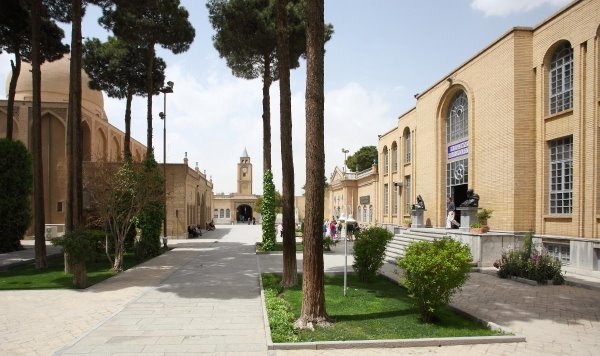
(Top) Interior of Vank Cathedral (Սուրբ Ամենափրկիչ վանք Surb Amenap’rkich’ Vank’; کلیسای وانک Kelisā-ye Vānk) completed 1664 A.D., New Julfa, Isfahan, Iran; (Bottom) New Julfa Armenian district, clocktower and museum (17th century), Isfahan, Iran.

Throughout the Safavid and Qajar periods, Armenian-Iranians served as brokers on behalf of Persia in both commercial and political contexts due to their common faith with Christian Europe and their familiarity with the languages and traditions of both East and West. The provost of New Julfa (Persian: كلانتر Kalāntar “Provost”; Armenian: Հայոց Թագավոր Hayots’ T’ak’avor, literally “King of the Armenians”) was chosen to hold official receptions for foreign embassies to Isfahan on the Allahverdi Khan bridge (later renamed Si-o-Se Pol), and the Armenians acted as a welcoming committee often introducing foreign visitors to the Safavid court. Hovhannes Vardapet, a native of New Julfa, introduced the first printing press into Persia from Italy (հրատարակչություն Hratarakch’ut’yun; چاپخانه Chāpkhāne), and the first book printed in Iran was the Armenian Saghmos (Սաղմոս “Psalms”) in 1638. In 1715, the last Safavid monarch Sultān Husayn sent an embassy consisting almost exclusively of Armenians to King Louis XIV’s court at Versailles, which resulted in the establishment of a permanent Persian consulate at the port of Marseille staffed by the Armenian “Hagopdjan de Deritchan.” Armenians continued to participate in national transformations through the Qajar period, and in 1850, Naser al-Din Shah’s chancellor Amir Kabir dispatched an Armenian, Mirza Davud, to Austria and Prussia in order to select six instructors in different fields for the modern polytechnic school that the chancellor was constructing, the Dār ul-Funūn (دار الفنون “House of the Arts”).

n00077576-b
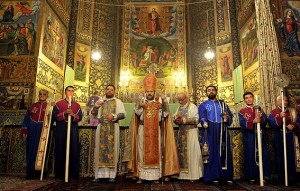
Bishop Papken Tcharian, prelate of Isfahan (Սպահանի Հայոց Թեմի Առաջնորդ Spahani Hayots’ T’emi Arrajnord), leads ceremony in Surb Amenap’rkich Cathedral, New Julfa, Isfahan, Iran.

The Armenian contribution to the overall configuration of the 20th-century Iranian society, both culturally and economically, is significant. Armenians were pioneers in photography, theater, and the film industry. The first movie theater to open in Iran (Tabriz, 1916) belonged to Alex Sahinyan, an Armenian who used the hall in the French mission of Tabriz as “Cinéma Soleil,” in which Russian and European films were shown to an enthusiastic audience. They were among the first to introduce Western music and dance to the Iranian public, and the Armenian contribution to modern Iranian music industry is varied and disproportionate to their small numbers. The popularity of modern fast-food establishments in Iran also owes much of its original success to the daring enterprise and perseverance of the Armenian businessmen who first introduced them in the Muslim society of Iran several decades ago. Armenian tailors, seamstresses, and beauty industry workers are of local renown, some of whom built national fashion brands from their small ateliers, such as the Hacoupian tailored suit brand (Հակոբեան; هاكوپيان) which can be found in Iran’s most exclusive shopping districts and hotels. Armenian athletes have represented Iran in international tournaments, particularly boxing, weightlifting, soccer, and volleyball.

Orumiyeh
St_Thaddeus_Monastery_04
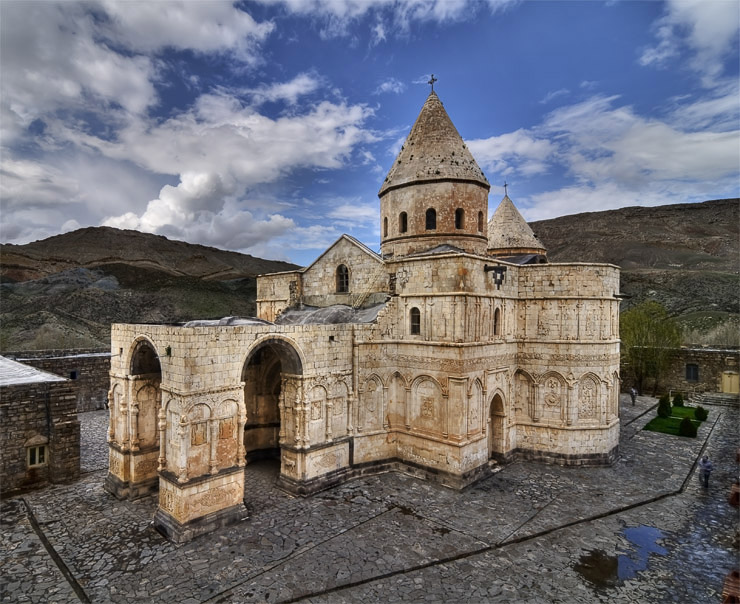
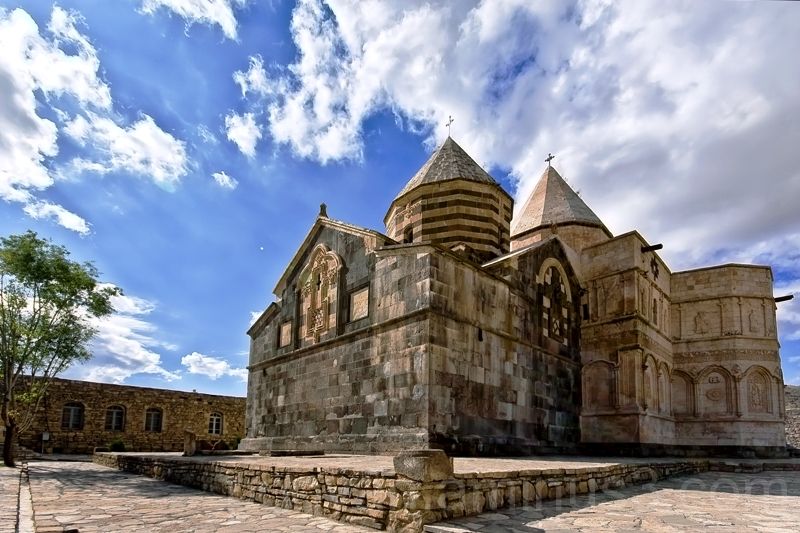
St. Thaddeus Monastery (Սուրբ Թադեոսի վանք Surb T’adevosi Vank’; قره كليسا  Ghara Kelisā), Māku, Iran (1329 A.D.) In the past six centuries, more than 100 Armenian ecclesiastical structures have been commissioned in Iranian Azerbaijan, a few dozen of which are still standing today.

THE ARMENIAN PRESENCE IN MODERN-DAY IRAN

Today Tehran is the center of gravity for Iran’s ~150,000 Armenians, although this is a fairly recent transformation. The traditional centers of Azerbaijan and Isfahan (since the 17th century) have been overshadowed in recent years by the tremendous growth of the Armenian population in Tehran, where more than 60 percent of the entire community resides (meaning approximately 80,000-100,000 souls). Large-scale migration from Azerbaijan, particularly following the Turkish invasion of that province in World War I, and emigration from Armenia proper following the Russian revolution, rapidly turned Tehran into a haven. The Armenians are designated two seats in the Iranian Parliament (مجلس Majles, Խորհրդարան Khorhrdaran), whereas Jews, Zoroastrians, and Assyrian-Chaldeans are each designated only one. Three prelates with jurisdiction over the three district areas of Azerbaijan, Isfahan (including southern Iran and India), and Tehran (including central and eastern Iran) head the community. They were traditionally subject to the Catholicos of Echmiadzin in Soviet Armenia, but for political reasons aligned themselves with the Catholicos of Cilicia in Lebanon in the 1950’s.

Sarkis-Church-Tehran2
St. Sarkis Cathedral (Սուրբ Սարգիս մայր տաճար Surb Sark’is mayr tachch’ar; كليساى سركيس مقدس Kelisā-ye Sarkis-e Moghaddas), Tehran, Iran.

The privileged status of Armenian is unusual in the context of the Islamic Republic, although Armenians have enjoyed unprecedented favor in a variety of contexts since their arrival to New Julfa in the 17th century. Paradoxically, Persian and Armenian are the only two languages with any official currency in today’s pluralistic Iran. Approximately 53% of Iran identifies Persian as its mother tongue, while only 0.1-0.2% speaks Armenian as a first language. The official language of education, media, and legislation is Persian, but Armenians are lawfully entitled to their own private kindergarten–12th grade schools wherein Armenian is a primary language of instruction alongside Persian (before the 20th century reforms under Reza Shah, Persian was taught as a foreign language alongside French and English; and Russian in Azerbaijan). There are approximately fifty Armenian private schools scattered throughout Iran today, from where Armenian students seeking higher education must pass a standardized national competency exam (كنكور Konkūr; Կոնկուրսի քննությունը Konkursi k’nnutyunё)—which includes Persian literature and Islamic theology—in order to integrate into national Islamic universities.

132958_156914257688243_7154694_o
Surb Amenap’rkich Cathedral’s Choire led by Movses Panoian, New Julfa, Isfahan, Iran (1976) |  Նոր Ջուղայի Սուրբ Ամենափրկիչ Վանք-ի Երգչախումբ; Ղեկավար : Մովսես Փանոսյան (1976)

Armenians manage and operate their own churches, schools, philanthropic organizations, sports clubs, night clubs, cultural associations and Armenian language publications including a daily newspaper based in Tehran, Alik’ Ōrat’ert’ (Ալիք Օրաթերթ “Wave Daily Newspaper”). In Tehran’s northern Vanak neighborhood, the Ararat Complex (Արարատ Միություն Ararat Miut’yun; باشگاه آرارات Bāshgāh-e Ārārāt) is a walled and gated, ~20-acre cultural and sports complex that only Armenians are permitted to enter (by government order), and wherein patrons are exempt from the Islamic guidelines governing inter-gender interactions including dress code (hejāb), and alcohol is legally consumed on the premises. As nationalist factions among Iran’s Azeris (16%), Kurds (10%), Arabs (2%), Turkmen (2%) and other ethnolinguistic minorities toil with the issues of language policy and cultural oppression, they seem wholeheartedly unaware of the status of Armenian. Perhaps this is due to their geographic location at the peripheries of Iran and subsequent disconnect from the happenings of Armenian-inhabited urban centers (except in the case of Azerbaijan). Or, perhaps, it is retained traditionalism in the long-standing belief that Christians can never be truly Iranian and thus constitute a quasi-foreign element in Iranian society.

11951134_10204745331013439_1779847779720680230_n
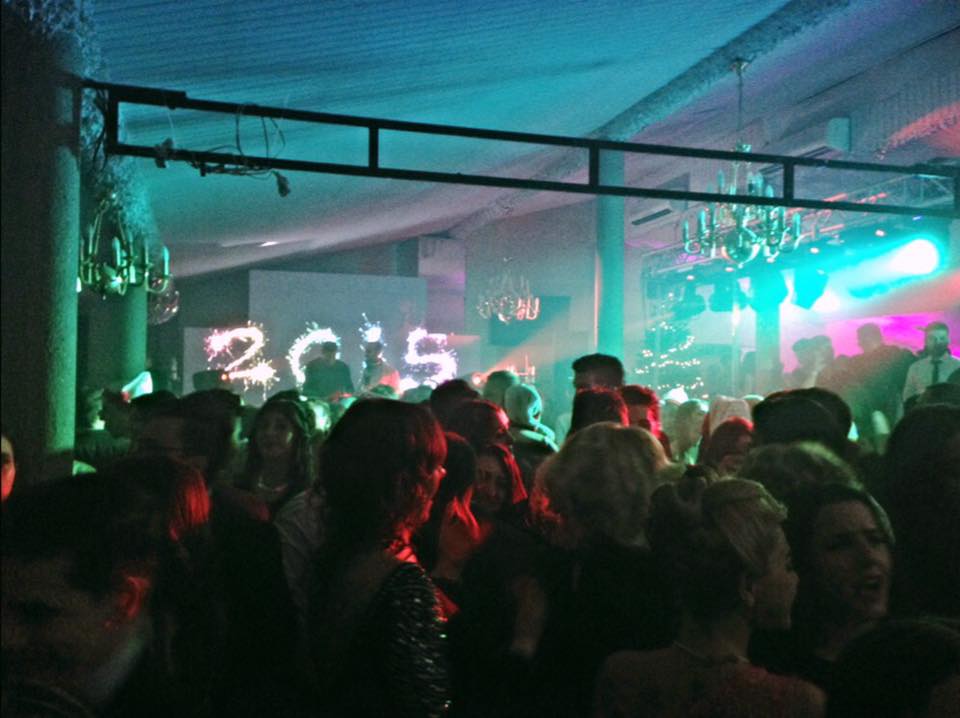
Private Armenian night club, 2015 New Year’s celebration, Tehran, Iran (Photo by Afsheen Sharifzadeh) | 2015 Ամանորի դիմավորում, Թեհրան, Պարսկաստան


ON THE ISSUE OF IRANIAN BORROWINGS IN ARMENIAN (HISTORICAL LINGUISTICS)


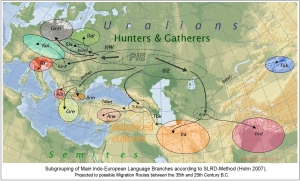
Armenian shares two kinds of linkages with Persian. The first is ancestral, inasmuch as the two share a quite distant common ancestor in the form of the Proto-Indo-European language. Proto-Armenian probably split from the southwestern dialects of Proto-Indo-European around 3000 B.C., while Proto-Indo-Iranian split from the northeastern dialects around 2500-2300 B.C. For more on the Kurgan Hypothesis and PIE linguistics by the same author, click here

SLRD-map
Persian and Armenian are genetically related languages. Pre-Armenian, Pre-Albanian, Pre-Phrygian, and Pre-Greek split off with PIE transhumance into the Balkans (and thence Anatolia, in the case of Armenian), but their origins are conflicting and their affinities with each other are problematic for a number of reasons that are outside the scope of this article (such as incongruities in Satemization and Centum superstrate; see Middle Dnieper multi-ethnic “vortex” culture for more reading).

The second link is cultural, as manifested in the form of several hundred loanwords borrowed from Old Iranian (Old Persian, Median, Avestan), Middle Iranian (Parthian, Middle Persian, Manichaean Parthian) into Classical Armenian, and to a far lesser extent, Modern Persian into Modern Eastern Armenian . The degree of Iranian borrowing throughout all registers of the language is so profuse that in the mid-19th century experts both in Armenian and in Iranian, foremost among whom were Paul de Lagarde and F. Müller, concluded that Armenian belongs to the Iranian group of Indo-European languages. That opinion prevailed until 1875, when H. Hübschmann pioneered a methodological principle whereby Iranian borrowings were separated in chronological layers from an Armenian core. That is to say, Old and Middle Iranian borrowings have effectively entered the ‘core’ of the Armenian language from the ‘periphery’, in that they have long since ceased to be perceived as loanwords and have become nativized phonologically. Analogously, the vast majority of loans are not readily recognizable to speakers of Modern Persian—in essence rendering this second linkage inoperative in the joint social memory of Iranians and Armenians.

Although Zoroastrianism was the predominant religion among Armenians for nearly 800 years before Christianization, conditions favorable to a fruitful cultural interchange between Armenians and Iranians existed almost exclusively during the rule of the Parthian (Iranian) Arsacids over Armenia (Արշակունիների արքայատոհմ Arshakunineri ark’ayatohm; سلسله اشكانيان Selsele-ye Ashkāniān). During that period the culture of the Parthian feudal aristocracy, being superior to that of the Armenians, exerted profound influence on the highlands. Accordingly, most of the linguistic borrowings came into Armenian from the Northwest Iranian language of the Parthians in a way comparable to the overwhelming French influence on English after the Norman conquest, although there are significant contributions from Southwest Iranian during the Sassanian period.

akhtamarcarvings
4371452158_2b14f58a82_o130
The Church of the Holy Cross at Aghtamar (Աղթամարի Սուրբ Խաչ եկեղեցի Aght’amari Surb Khach yekeghets’i), Lake Van, is based on ideas of 7th century Armenian architecture but the sculpture program is novel. The southwest façade (Top) features a sculpted scene of Jonah and the Whale in which the whale looks conspicuously like the Iranian mythological bird Simorgh (Middle Persian: senmurw → Armenian սիրամարգ siramarg “peacock”). The cross-legged figure on cushions draws from Islamic tradition. On the western façade (bottom right), Prince Gagik, commissioner of the Church, is depicted presenting a 3-dimensional model of the Aghtamar Church to Christ; Gagik is depicted taller than Christ and wearing a silk cloak with birds in randles—reminiscent of Sassanian silks (bottom left). As late as the 11th century, Aghtamar draws on Iranian signs of kingship and authority.

Nevertheless, the breadth of Iranian contributions to the Armenian stock has not been paid adequate attention in Armenian historiography. The reluctance of Armenians to acknowledge the contributions of the pre-Islamic but still inextricably Iranian world to their language, traditions, and material productions, and preference for the blanket term “pagan” (հեթանոսություն het’anosut’yun) in dealing with pre-Christian matters, likely has three causes. First, traditionalist Armenochristian intelligentsia remain sensitive to the longstanding history of massacre and subjugation, often but not always in the context of being a Christian minority in a Muslim society. The popularization of the term “pagan” in place of “Zoroastrian”, “Parthian”, “Persian”, “Iranian” or “Mithraist” accomplishes the goal of distancing the Republic of Armenia’s national heritage from the cultural property claimed by the neighboring Persislamic political apparatus. Second, the term “pagan” is reinforced by its currency in Christian doctrine and clerical texts; notwithstanding, the Iranianisms in the Armenian stock seem to be selectively trivialized, even vis-à-vis the more remote Urartian or Ancient Greek contributions. Finally, there exists a pervasive essentialist attitude among intellectuals and laypeople alike that any non-Christian agent in the Armenian national narrative cannot be truly “Armenian, and thus constitutes a foreign element in the otherwise continuous chronicle of a supposedly homogeneous nation.

Gregory_Illuminator Tiridates_III_illustration
 1911360238963
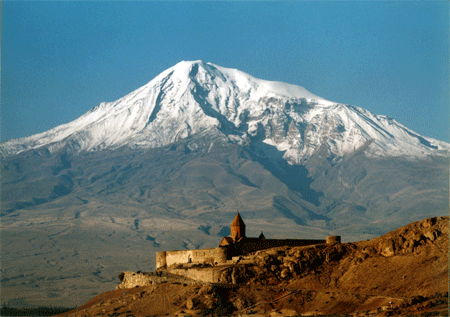
According to Armenia’s folk conversion story, Gregory the Illuminator (top left; Գրիգոր Լուսավորիչ Grigor Lusavorich) was a Parthian (Iranian) Christian priest responsible for converting the Parthian (Iranian) king of Armenia, Tiridates III (top right; Տրդատ Արշակունի Trdat Arshakuni), to Christianity. Khor Virap monastery (bottom) in Ararat province, Armenia, marks the setting of these developments.

Despite a significant Iranian imprint, Armenian should not be viewed as a derivative language, but can be valued academically as a window into the Old and Middle Iranian linguistic landscape. Moreover the study of Iranian loans in Armenian is of vital importance for solving problems of Old, Middle, and New Iranian linguistics, in that they:

1. Help determine the exact phonetic shape of the (Middle) Iranian words, which in the Iranian texts is often obscured by the consonantal writing systems. The Armenian alphabet, however, is fully vocalized, though it does not show the original vowel quantity.
2. Enable us to establish the exact meaning of the Iranian words.
3. Shed light on the phonetic developments that took place in Iranian languages and thus aid in reconstructing linguistic stages not known or not sufficiently known from the Iranian evidence itself.
4. Provide evidence relating to Iranian, and especially Middle Iranian dialectological problems.
5. Finally, the Armenian language is also an important source for Iranian lexicology and lexicography as it contains many words, some of which survive right down to the present day, not attested in the Iranian languages themselves.

769077
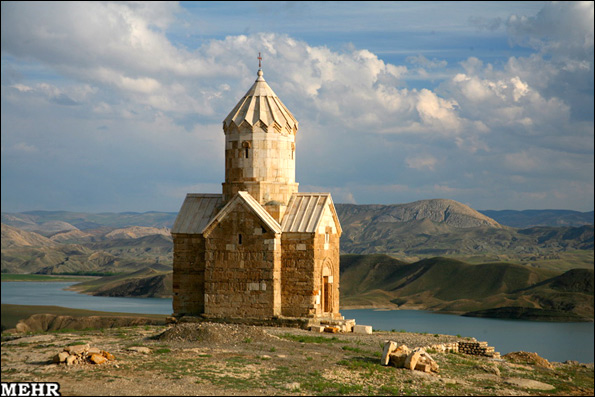
Dzordzor Chapel (Ծոր Ծորի Սուրբ Աստվածածնի մատուռ Dzor Dzori Surb Astvatsatsin maturr), the only standing remnant of a 9th century monastic complex, West Azerbaijan Province, Iran

Iranian borrowings span all registers of the language. It should be emphasized that these borrowings were not limited to lexical items but also involve derivational suffixes, phraseology, and all kinds of names, and that they are from the beginning of the Armenian literary tradition mixed with the inherited vocabulary of Proto-Armenian stock. A few are detailed in the table below (composed by Afsheen Sharifzadeh):

Modern Armenian

Iranian root

English

օրինակ ōrinak

from Parthian *awδēnak.

“Example”

շնորք, շնորհակալություն,
շնորհավորել
shnork’, shnorhakalut’yun, shnorhavorel

from Middle Persian šnwhl ‎(šnōhr, “gratitude, contentment”). Compare Manichaean Parthian ʿšnwhr ‎(išnōhr, “grace; gratitude”), Avestan ‎(xšnaoϑra-, “satisfaction”).

“Gratitude, thanks, to congratulate”

կատակ katak

from early Parthian *kātak; compare Middle Persian kʾtk’‎(*kāyag, “game; joke”)

“Joke”

ժամանակ, ժամ
zhamanak, zham

from Parthian *žamānak ‎(“time”), from jmʾn ‎(žamān). Cognate with Middle Persian ẕmʾnk’ ‎(zamānag)

“Time; hour”

ճանապարհ, ճամփա, ճանապարհորդ
ch’anaparh, ch’amp’a, ch’anaparhord

from Iranian *čarana-parθ, composed of *čarana- ‎(“to go”) and *parθ ‎(“passage”). For the first part compare Avestan ‎(kar-), ‎(čara-), ‎(čaraya-, “to move, to go”)

“Path, road; traveller, wayfarer”

-յան -ian

from Iranian *-yān, a postvocalic variant of the pluralization suffix *-ān, whence -ան ‎(-an).

(forming adjectives, common in Armenian surnames)

դժվար dzhvar

from Iranian; Compare Middle Persian dwšʾwl ‎(*dušwār, “difficult, disagreeable”), Persian دشوار ‎(dušvār).

“Hard, difficult”

պատասխան pataskhan

from Iranian *pati-saxwan-iya, from Proto-Iranian *sanh-“to declare, explain”

“Answer, response”

վտանգավար vtangavor

from Middle Persian *vitang, from Old Persian *vitanka-‎(“hardship, peril, misfortune”), composed of the preverb *vi- ‎(“down”) and the root *tanč- ‎(“to twist (together), become narrow, dense, constrict”).

“Dangerous, perilous”

հրեշտակ hreshtak

A Middle Iranian borrowing; Compare Manichaean Parthian fryštg ‎(frēštag, “apostle; angel”), Middle Persian plystk’ ‎(frēstag, “apostle; angel”), Persian فرشته ‎(ferešte, “angel”)

“Angel”

ճաշ
ch’ash

from Middle Iranian *čāš. Compare Middle Persian ‎(čāšt, “breakfast”), Persian چاشت ‎(čāšt, “breakfast, early dinner”)

“dinner, late meal, feast”

պատրաստ patrast

from Middle Iranian *patrāst, from Old Iranian *patirāsta-, composed of the Proto-Iranian preverb *pati- ‎(“against, towards”) + *rāsta- ‎(“prepared”). Related to Persian پیراستن‎(perāstan, “to adorn”) and آراستن ‎(ārāstan, “to adorn”)

“Ready”

աշխարհ ashkharh

With metathesis from Middle Median *axšahr, from Proto-Iranian *xšaθra- ‎(“power, authority, dominance”). Compare Old Persian ‎xšaça-, “kingdom, realm”

“World, cosmos”

աշխատանք ashkhatank

An Iranian borrowing, probably Middle Median because of the prothetic a-. Compare Middle Persian ʾxšʾd‎(“depressed, troubled”)

“Work, labor” (originally fatigue, toil, trouble)

դպրոց dprots

from Middle Persian ‎(dipīr, “secretary, scribe”) +  -ոց ‎(-ocʿ)

“school”

փառք p’arrk’

from Middle Iranian *farr +‎ -ք ‎(-kʿ). Compare Old Persian ‎(farnā, “glory”), Persian فر ‎(farr), Avestan ‎(xvarənah-)

“Glory, fame, renown, esteem”

–երեն eren

from Middle Iranian *āδēn

Forms names of languages when appended to roots denoting names of nations or regions

նկար nkar

from Iranian *nikar. Compare Manichaean Middle Persian ngʾr ‎(nigār, “painting, picture”), Persian نگار ‎(nigār).

“Picture, image, painting”

ճշմարիտ, ճշմարտություն ch’shmarit, ch’shmartut’yun

An Iranian borrowing. Compare Middle Persian cšm dyt’‎(čašmdīd, “visible, obvious”, literally “seen with (one’s own) eyes”).

“True, real; truth”

Տիգրան Tigran

from Old Persian *Tigrāna, derived through haplology from *tigrarāna ‎(“fighting with arrows”), composed of ‎(tigra, “arrow”) (compare Persian تیر ‎(tir)) + *rāna-‎(“fighting”)

A male given name

Վահագն, Վահան, Վահրամ Vahagn, Vahan, Vahram

from Parthian *Varhraγn; ultimately from Avestan ‎(Vərəθraγna, “Verethragna”, literally “smiting of resistance, breaking of defence; victory”). Related to Avestan (vərəθra, “shield, obstacle, defensive power”). All ultimately stemming from Proto-Indo-Iranian *Hurtra-‎(“cover”).

Male given names

Գովել govel

Borrowed from a Middle Iranian descendant of Proto-Iranian *gaub-;

“To praise”

օգնություն, օգուտ, օգտակար ōgnutyun, ōgut, ōgtakar

from Parthian *abigūt, *abi-gūna-.

“Help, helpful, benefit”

-պես -pes

from Middle Iranian *pēs. Ultimately from Proto-Indo-European *peyḱ-.

“As, like”

-նման nman

from Iranian *nimān, composed of the prefix ni- and the root mān-. Compare, Persian مانا ‎(mānā, “alike, equal, resembling”).

“Like, resembling”

Գույն: սև, սպիտակ, կապույտ, կարմիր, մանուշակGuyn: sev, spitak, kapuyt, karmir, manushak

from Middle Persian gwn’ ‎(gōn, “colour; kind, sort”); From Parthian syʾw ‎(syāw, “black”); From Middle Iranian *kapōt“grey-blue, pigeon”; From Middle Persian klmyr ‎(*karmīr, “red, crimson”); from Middle Persian *manafšak, a by-form of wnpšk’ ‎(wanafšag);

“Color, black, white, blue, red, purple”

11889649_10204679849016430_3082852093934450558_n
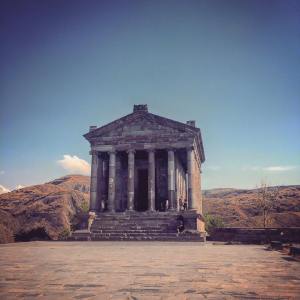
The Temple of Garni (Գառնիի հեթանոսական տաճար Garrni het’anosakan tachch’ar), Kotayk Province, Armenia. Commissioned by the Parthian (Iranian) king of Armenia, Tiridates I, some scholars ascribe this Greco-Roman colonnaded structure to the Iranian deity Mithra (Միհր Mihr), who was a member of the Irano-Zoroastrian pantheon of pre-Christian Armenia (the Trinity: 1. Aramazd < from Ahura Mazda; 2. Mihr < from Mithra; 3. Anahit < from Anahita). (August 2015, Photo by Afsheen Sharifzadeh).

IRANIAN-ARMENIAN LANGUAGE

As in the case of Québécois French in Montreal, Armenian-Iranians within a single city seem to speak a variety of dialects that differ appreciably from each other in lexicon, pronunciation and sometimes morphology. This can be attributed to the diverse provenance of Armenians inhabiting Iran’s major urban centers—some tracing their roots to Iranian Azerbaijan (Ատրպատական Atrpatakan) particularly Tabriz (Դավրեժ Davrezh or Թավրիզ T’avriz), Urmia, Salmas, Khoy, and Maragha and its surroundings; Kermanshah and Hamedan; Ardebil and Rasht; New Julfa (Նոր Ջուղա Nor Jugha) in Isfahan (Սպահան Spahan) and Arak; Shiraz; Abadan and Ahwaz; or to a number of Armenian villages scattered throughout central Iran, including Faridan region (Փերիա P’eria) and Bourvari. Yet wholesale emigration of some Iranian Armenian villages to Russia in the late 1940s after the Catholicos of Soviet Armenia pleaded to all the faithful to repopulate the ancestral homeland devastated by World War II, famine, and the post-revolutionary atrocities in Russia, still greatly reduced their diversity and numbers. Dialect in Tehran is also delineated along socio-economic lines—although this might be a residual geographic feature—as well as the extent of an individual’s exposure to the Standard Eastern Armenian of post-Soviet Republic of Armenia. Nonetheless, there are a few overarching features of Parskahayeren as encountered in Tehran that have been selected for discussion below.

An Armenian delegation visits the Armenian diaspora community of New Julfa, Isfahan, Iran.

Due to bilingualism and areal features, Iranian Armenian dialects bare typological resemblances to modern Persian, but still markedly less so than other languages spoken in the country (except perhaps the Georgian dialect of Faridan). Pronunciation is a highly distinguishing feature of Iranian Armenian vis-à-vis the Eastern Armenian dialects encountered in the former U.S.S.R. In general, intonation, rhythm and cadence tend to echo Modern Persian—in turn constituting a major deviation from the Caucasian variety, which parallels those features of Russian. For example, the final syllable of interrogative clauses are elongated in the exaggerated manner of Persian and Azeri. The vowel ա “a is pronounced like Persian آ “â”, whereas in Yerevan the same vowel is rounded in the manner of Russian “ä. In general, prosody is used to convey emotions according to the Persian canons; a phenomenon which accounts for the alleged “sing-songy” feel of Parskahayeren according to Caucasian speakers. However, there are still a number of distinct prosodic paradigms in Persian and Parskahayeren that afford the languages quite unique aesthetic qualities. Notably, speakers of Parkshayeren are known to speak rapidly, and tend to employ creaky voice.

Additionally, Iranian Armenian has preserved the Classical alveolar approximant pronunciation of Ր “r”, (which corresponds to the Standard American English pronunciation of “r”); whereas other Eastern and Western Armenian dialects have shifted to alveolar flap [ɾ] (corresponding to the Scottish English pronunciation of “r”). In perfective constructions wherein the verb is not followed by a modifier, the infinitive final -լ -l is dropped: Tehran Vordegh es tsnvé? for Yerevan Ur es tsnvel? “Where were you born?” When the verb is followed by a modifier, Tehran often has -r- final: Tehran eker er for Yerevan yekel er “S/he had come.” In this sense Parskahayeren pronunciation is both archaic and innovative.

E9B92103-0386-4624-91C7-142DAC2F5208_mw1024_s_n
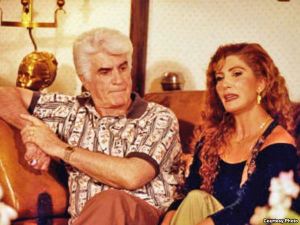
The “Father of Iranian pop music”, Vigen Derderian (Վիգեն Դերդերյան, ويگن دردريان), and his daughter, singer and songwriter Jaklin. Vigen was born into the Armenian community of Hamedan; Jaklin was born and raised in the Armenian community of Tehran. 

The Iranian-Armenians are bilingual, although the Tabriz and Urmia communities (Թավրիզ ու Ուրմիայի Հայ համայնքը T’avriz u Urmiayi Hay hamaynk’ёseem to be operationally trilingual in Armenian, Azeri, and Persian. Bilingualism in the case of fast-paced, trendy Tehran has paved the way for a great deal of code-switching—primarily whereby an Armenian-speaking informant substitutes Persian words in place of their Armenian equivalents. However, the degree of this phenomenon is dependent on the informant and by no means approaches the threshold of creolization. Wholesale substitution of Armenian words is present in the vernaculars of both Tehran and Yerevan (Russian), however markedly more so in the latter, as it appears to be stigmatized in Tehran despite its prevalence:

English Standard Eastern Armenian Colloquial Yerevan (from Russian) Colloquial Tehran (from Persian)
“Generally” ёndhanrapes
ընդհանրապես
voobshe
вообше
kollan
كلا
 “OK; here you go” hamets’ek’
համեցեք
davai
давай
“Just; just because” ughghaki
ուղղակի
prosto
просто
“Because” vorovhetev
որովհետև
tak kak
так как
chon
چون
“OK; That’s it” vsyo
всё
For example; like…” ōrinak
օրինակ
masalan –> “masan”
مثلا
“So; that is to say; it means; like…; [filter]” uremn, aysink’n
ուրեմն, այսինքն
to, est’
то есть
yani
يعنى
“Already” arden
արդեն
uzhe
уже

Otherwise, the Tehran vernacular is more conservative in her lexicon compared to the Yerevan vernacular, save a few idiosyncrasies: Tehran esi, esikё and eti, etikё for Standard սա sa “this” դա da “that”; Tehran sté, stegh and ёndé, ёndegh for Standard այստեղ aystegh “here” and այնտեղ ayntegh “there”; Tehran bidi for Standard պետք ե petk’e “must, should”; Tehran esents‘ for Yerevan stents’, nents’ and Standard այսպես ayspes “this way, like this”; Tehran որտեղ vordegh for Yerevan ուր ur “where”; Tehran ira, iran, irank’, irants’ for Yerevan nra, nran, nrank’, nrants’ “his/her, to him/her, they, their”. The issue of Parskahayeren mähät/mät “one; a piece; a little; a moment; a bit; etc.” is discussed below.

For some lexemes, parallel native forms are in use in a manner similar to American English vs. British English, i.e. Tehran: ճարել charel for Yerevan գտնել gtnel “to find”; Tehran: լվացարան lvats’aran for Yerevan լողարան logharan “restroom, washroom”; Tehran օգտվել ōgtvel and գործածել gortsatsel for Yerevan օգտագործել ōgtagortsel “to use”; Tehran: կներեք knerek’ for Yerevan ներողություն neroghut’yun “Pardon me; I’m sorry.”

Iranian-Armenian artist Helen (née Matevosian) sings Garun Yekav (Գարուն Եկավ “Spring Came”), a winner at the 2007 Armenian Golden Star Awards.

Calques from Persian are also pervasive: i.e. վերջացավ գնաց verchats’av gnats’, from تمام شد و رفت  tamām shod o raft “It’s over; done for” (literally: “it finished and left”); մեջ տեղից երթալ mej teghits’ ert’al, from از بين رفتن az bayn raftan “to be annihilated; perish”; կարմրացնել karmrats’nel “to fry” (literally: “to redden”) from سرخ كردن sorkh kardan “to fry (redden)”; պատճառ ելնել patch’arr elnel from باعث شدن bāes shodan “to result in; to cause”; տանել tanel “to carry” in the meaning of “to win”, from Persian بردن bordan “to win” (homophone with verb meaning “to carry”); նեղություն քաշել neghut’yun k’ashel from  زحمت كشيدن zahmat keshidan “to bare a burden; perform an act of generosity or civility according to local ideals”; Թագավորի ժամանակ T’ak’avori zhamanak from زمان شاه zamāne Shāh “the Pahlavi period; reign of the 20th century Pahlavi monarchs”; մեծ մամ medz-mam and մեծ պապ medz-pap from مامان بزرگ māmān bozorg “grandmother” and بابا بزرگ bābā bozorg “grandfather.”  A few calques from Persian phraseology are listed below:

English Parskahayeren (colloquial) Persian (colloquial)
“What’s up?/What’s new?” Inch khabar?
Ինչ խաբար?
Che khabar?
چه خبر؟
“Thank you for your service” (literally: “may your hand not hurt”) Dzerrk’ёt ch’ts’ava
Ձեռքդ չցավա
Dastet dard nakone
دستت درد نكنه
“Thank you for your exertion” (literally: “may you not be tired”) Hok’nats chelnes
Հոգնած չելնես
Khaste nabāshi
خسته نباشى

“I wouldn’t be so sure” (literally: “my eye doesn’t drink water”)

Achkёs jur chi khmum
Աչքս ջուր չի խմում
Cheshmam āb nemikhore
چشمم آب نمیخوره

One morphological innovation is addition of a pronominal suffix (-դ -t) at the end of the verbal construction to indicate either the object or indirect object of the verb, and this likely developed under the influence of Persian. This is unusual for Armenian, which employs a stringent case system. Nonetheless it is prevalent in generation Y’s vernacular and is only used when the 2nd person is the object or direct object of a clause:

English Tehran (contracted form) Yerevan (invariable)
“I’ve missed you” karotel emët karotel em k’ez
“I am waiting for you” spasum emët spasum em k’ez
“Let me tell you something…” me ban asemët mi ban k’ez asem…

Sometimes parallels are encountered to Persian compound verb construction: i.e. [Persian/Armenian gerund] + [Armenian helping verb]; the latter is usually անել anel (for كردن kardan) “to do”, խփել khp’el (for زدن zadan) “to hit”, վերցնել verts’nel (for گرفتن gereftan) “to get”, բռնել brrnel (for گرفتن gereftan “to hold”). Such as chort khp’el (from چرت زدن chort zadan) for Yerevan նիրհել nirhel “to take a nap”; pakhsh anel (from پخش كردن pakhsh kardanfor Yerevan հաղորդել haghordel “to broadcast”; պտույտ խփել ptuyt khp’el (from چرخ زدن charkh zadan) for զբոսնել zbosnel “to take a stroll”; դուշ բռնել dush brrnel (from دوش گرفتن dush gereftan) for Yerevan լողանալ loghanal “to take a shower.”

Tehran կարողանալ karoghanalconj. subjunctive verb (parallel to Western Persian construction) for Yerevan karoghanal + infinite verb “to be able to do [something]”; Չեմ կարող ասեմ Chem karogh asem for Yerevan Չեմ կարող ասել Chem karogh asel “I cannot say”, among many other examples.

http://https://www.youtube.com/watch?v=IQThJIREwes

Iranian-Armenian Bible study talk show, “Good News” (Բարի Լուր), produced by the Iranian-Armenian diaspora in California

Parskahayeren shares a number of core lexical items with Western Armenian, her distant cousin, vis-à-vis the Eastern varieties found in the former U.S.S.R. Most notably, Tehran has երթալ ertal for Yerevan գնալ gnal “to go”; իմանալ imanal for Yerevan գիտել gitel “to know”; ելնել elnel for Yerevan լինել linel “to be”; հէր her for Yerevan խի khi/ինչու inchu “why”. Parskahayeren sometimes also shares the added -ի -i ending encountered in the Western Armenian pronomial dative construction: Tehran ինձի indzi, քեզի k’ezi, etc. for Yerevan ինձ indz քեզ k’ez “to me, to you”. Some of these lexical differences are illustrated below:

English Tehran Yerevan
“I don’t know” չեմ իմանում
Chem imanum
չգիտեմ
Ch’gitem
“What’s happened?” Ինչ ա ելե?
Inch a elé?
Ինչ է եղել?
Inch e yeghel?
“Why didn’t he give you an apple?” Հեր քեզի խնձոր չտվավ?
Her k’ezi khndzor ch’tvav?
Ինչու քեզ խնձոր չտվեց?
Inchu k’ez khndzor ch’tvets’?

A multitude of -եց ets’-class verbs are -ավ av-class in Tehran, which resembles the pattern in Western Armenian. In this paradigm, Tehran has -ամ -am for the 1st person register, which likely developed under influence of Persian, whereas Yerevan has -ա –a; i.e. Tehran տեսամ tesam for Yerevan տեսա tesa “I saw.” Sometimes -ել –el infinitives are ալ –al in Iran, i.e. khosalu en “they will speak” for Yerevan խոսելու են khoselu (y)en. For example, ասել asel “to say” and տալ tal “to give”:

English Tehran (spoken) Yerevan
I said, gave asam, tvam
ասամ, տվամ
asets’i, tvets’i
ասեցի, տվեցի
You said, gave asar, tvar
ասար, տվար
asests’ir, tvets’ir
ասեցիր, տվեցիր
S/he said, gave asav, tvav
ասավ, տվավ
asests’, tvets’
ասեց, տվեց
We said, gave asank’, tvank’
ասանք, տվանք
asests’ink’, tvets’ink’
ասեցինք, տվեցինք
You (pl.) said, gave asak’, tvak’
ասաք, տվաք
asests’ik’, tvets’ik’
ասեցիք, տվեցիք
They said, gave asan, tvan
ասան, տվան
asests’in, tvets’in
ասեցին, տվեցին

The 1st person -մ -m ending is also encountered in the past imperfective construction composed of [elnel (to be) + present participle] as well as the past subjunctive. This is also unique to Parskahayeren in the Eastern group:

English Tehran (spoken) Yerevan
“I wanted to understand, but I couldn’t be quiet” Uzum im haskanaim, bayts chim karogh lrrem Uzum ei haskanai, bayts chei karogh lrrel
“I was walking in the street, when suddenly someone called out to me from afar and approached” K’aylum im p’oghots’um erb hankarts mekё‘ herrvits’ kanchav indzi u motets’av K’aylum ei p’oghots’um yerb hankarts mekё herrvits’  kanchets’ indz u motets’av

The issue of “mähät” or “mät” (from մի հատ mi hat one piece) in Parskahayeren is particularly unusual in that this lexeme has introduced a new vowel phoneme to the Iranian Armenian system (namely, ä). The contexts for its use are ambiguous and abstract:

Iranian Armenian English
Mät ari ste “Come here for a moment
Mät hangstats’ru senyakumët “Rest for a while in your room
Mät indzi tur “Give me one [piece]
Vaghë kertam khanut’its’ mät khaghalik’ verts’nem ira zavakneri hamar “Tomorrow I’m going to go pick up a toy for his children from the store”
Mät mtats’ir myusi zgats’munk’neri masin “Think a little bit about the other person’s feelings”